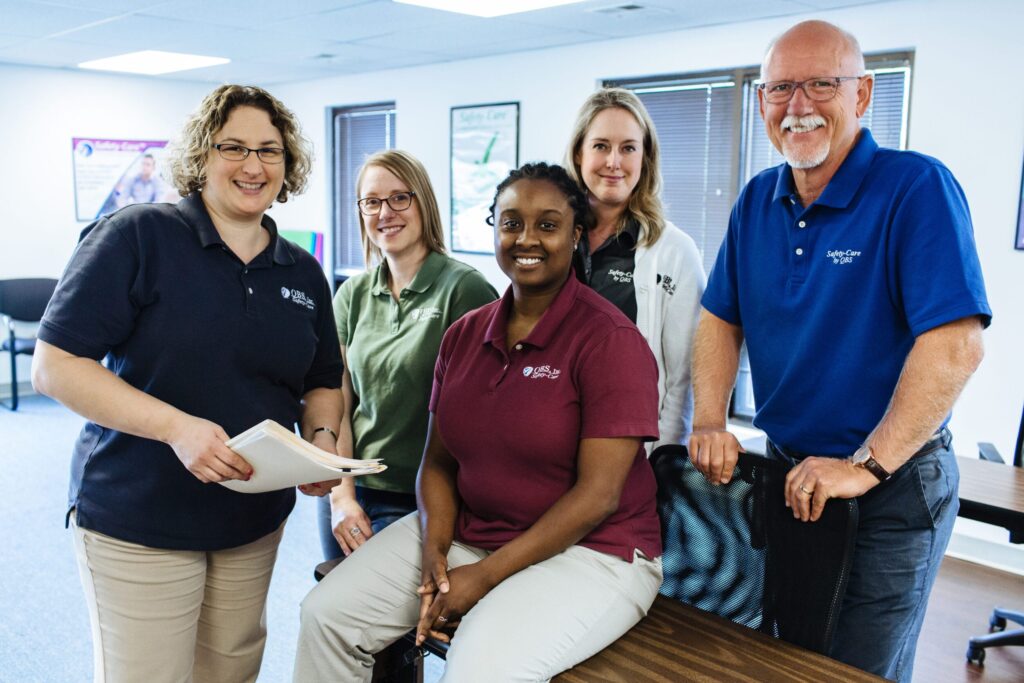
Safety-Care staff meeting

Safety-Care® For ABA Organizations

Practical, Prevention-First Safety Skills for ABA Teams

Built by BCBAs. Grounded in Behavioral Research.

Safety-Care® equips ABA clinics and multi-site organizations with practical, prevention-first safety skills that help teams prevent escalation, respond consistently, and protect therapeutic relationships when behavior becomes unsafe.

Built by Board Certified Behavior Analysts (BCBAs) and grounded in Applied Behavior Analysis (ABA) and PBIS principles, Safety-Care focuses on performance under real conditions so staff know what to do before, during, and after escalation.

This approach supports consistent response across technicians, supervisors, and locations, reducing variability, improving staff confidence, and strengthening safety without compromising clinical values or client dignity.


Training Schedule

Support for ABA & Behavioral Health

From RBTs and behavior technicians to clinical directors and operations leaders, Safety-Care helps ABA teams establish shared, prevention-first expectations so safety decisions are consistent across staff, shifts, and sites—not dependent on individual experience or who is on duty.

Teams use Safety-Care to reduce crisis-driven disruption, minimize the need for restrictive responses, and maintain stable, supportive environments for both clients and staff.

Vector (4) copy

ABA Clinics and Practices

Group (4)

Autism Therapy and Pediatric Behavioral Health Centers

Group (3) copy 2

In-home and Community-Based Service Providers

Group (3)

School-Based ABA Programs

Group (7)

Multi-Site Behavioral Health Organizations

Quantifying Safety-Care’s Impact in ABA Settings

1,200+
Active ABA & Behavioral Health Organizations
3,000+
Active Safety-Care® Trainers
90,000+
Staff Certified Annually
65%
Reduction in restraint use after 2 years of implementation
55%
Reduction in staff injury
female behavior therapist conducting a session with a female student

Why ABA Organizations Choose Safety‑Care

Safety-Care is evidence-based and trauma-informed.

Programs like CPI (Crisis Prevention Institute) weren’t designed for behavior analysis. Safety‑Care is developed by BCBAs and aligns with the BACB Ethics Code, BHCOE, and CARF standards. It integrates into ABA supervision and staff training, reinforcing clinical quality and reducing injuries.

Compliance & Accreditation Alignment

Safety-Care® is designed to help ABA organizations meet accreditation, ethics, and payer expectations.

BACB Ethics Code for Behavior Analysts (2022) and RBT Ethics Code (2.0)

BHCOE, ACQ, and CARF Behavioral Health accreditation standards for de-escalation, restraint, and documentation

HCBS Settings Rule principles (person-centered planning; freedom from coercion and restraint)

Payer and Medicaid training requirements for risk reduction and least-restrictive intervention practices

What ABA Organizations Learn

How to identify factors that contribute to agitation or escalation

How to maintain calm, safe, and therapeutic interactions during behavioral incidents

Trauma-informed de-escalation strategies rooted in ABA principles

How to apply physical interventions only as a last resort and with clear, documented justification

How to conduct meaningful post-crisis reviews to support recovery and learning

How to meet ethical, accreditation, and payer requirements through standardized training

Key Focus Areas

female healthcare professional conducting a session with adult student

Incident Prevention

Reinforcement-based, prevention-first strategies to reduce the frequency and severity of crises.

Transforming Crisis Management in Child Psychiatr ic Care Bradley Hospital’s Success Story (3)

Incident Minimization

Evidence-based de-escalation approaches that protect therapeutic relationships.

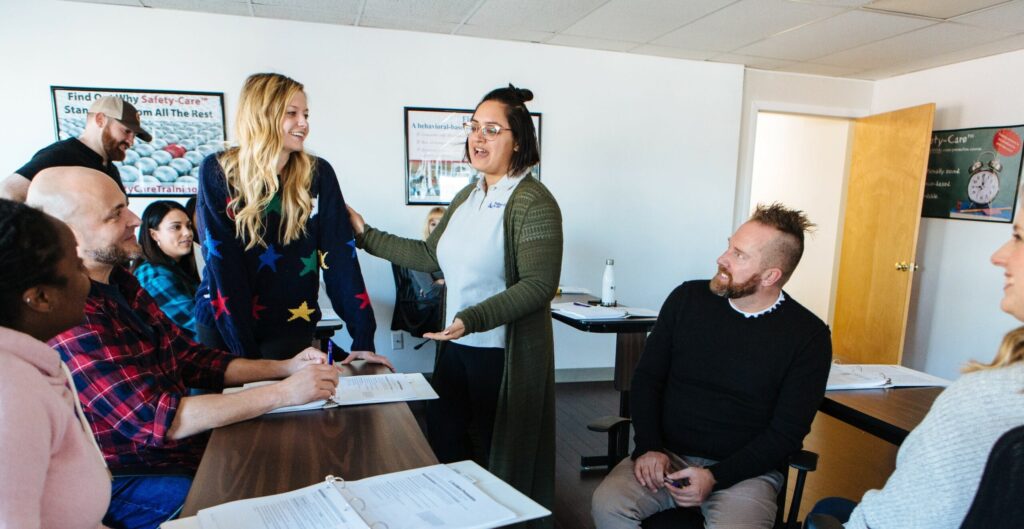
woman teacher discussing Safety-Care training curriculum

Physical Safety

Situational awareness and body-mechanics skills that prioritize safety and dignity.

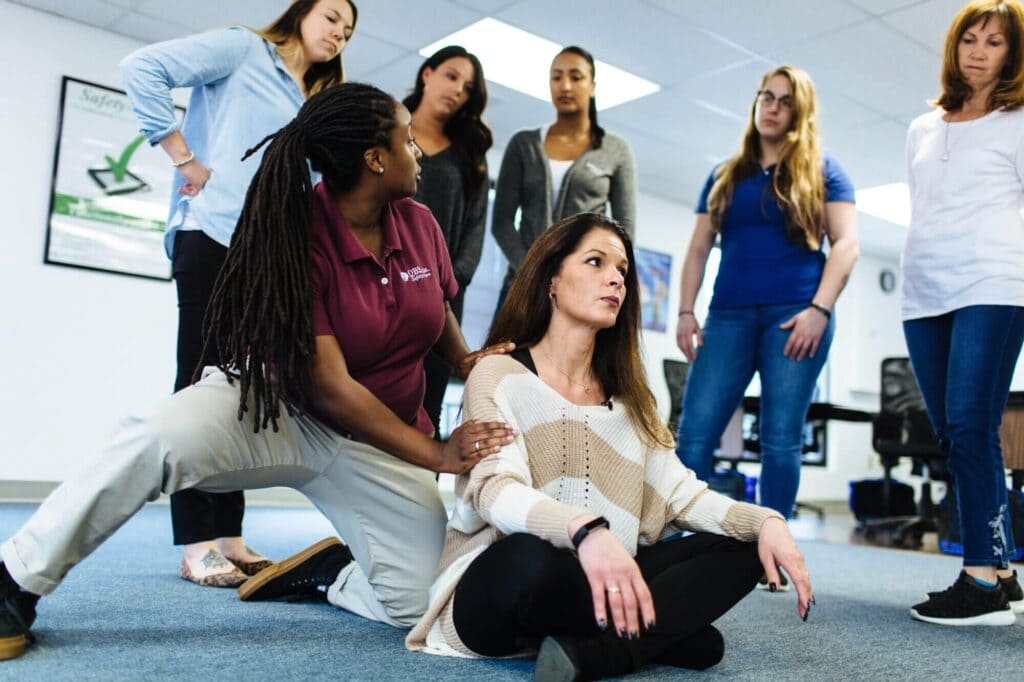
female instructor demonstrating physical safety training techniques to a small group

Physical Management

Behaviorally sound, medically appropriate last-resort procedures with ongoing performance checks.

Protect your clients and your team with training that works.


Schedule A Consultation

How Safety-Care Works (Train-the-Trainer)

1

Certify Trainers

QBS‑hosted trainer classes are BCBA‑led.

2

Train Staff

Certified Safety-Care Trainers deliver staff classes through traditional in-person or blended learning models.

3

Sustain Results

Additional modules and skill maintenance resources maintain fluency and outcomes.

No BCBA required on site to deliver staff classes—we provide the expertise and clinical oversight.

Trusted by Over 3,400 Organizations Across North America ... and Growing

"A very positive experience with the Safety-Care program. QBS trained all of our Special Education staff, replacing a previous program that didn’t fully meet our needs. Thanks for developing such a great safety training course!"

Jennifer Donlon
Bonny Eagle School District

"Our facility houses over 200 adults with intellectual and other disabilities. In 2008, we transitioned our entire staff to Safety-Care. Embracing it has been a key factor in improving safety and quality of care."

David D. Lanier, Ph.D.
Bluegrass Oakwood

"We just completed our first Safety-Care Behavioral training. I knew it was a high-quality program while becoming a trainer, but now I’m even more confident after leading it myself."


Catherine Giles
Reading Public Schools

"Beyond aligning with our ABA model, Safety-Care is the first truly evidence-based crisis prevention system I’ve seen."

Dr. Terry Page
Advoserv Inc.

You don’t have to solve behavioral safety alone.

Schedule a FREE consultation

Safety-Care® provides evidence-based, prevention-first training that helps teams reduce escalation, minimize reliance on restrictive interventions, and improve safety for everyone involved.

Use this consultation to talk through your setting, your challenges, what effective, least-restrictive prevention can look like for your organization, along with practical next steps tailored to your environment.

Not the final decision-maker? That's okay.
This can be a brief introduction to explore fit. We’ll help guide next steps.

You can schedule a call at a convenient time or request an immediate callback.