Safety-Care® for Education
A core part of your district-wide school safety and behavioral health plan. Safety-Care equips educators, support staff, and transportation teams with practical, prevention-focused skills to manage behavioral crises safely and respectfully. Safety-Care aligns with existing district funding models and integrates naturally into MTSS and PBIS frameworks.
This approach supports district-wide consistency across schools, so staff respond the same way to behavioral escalation regardless of classroom, building, or role.
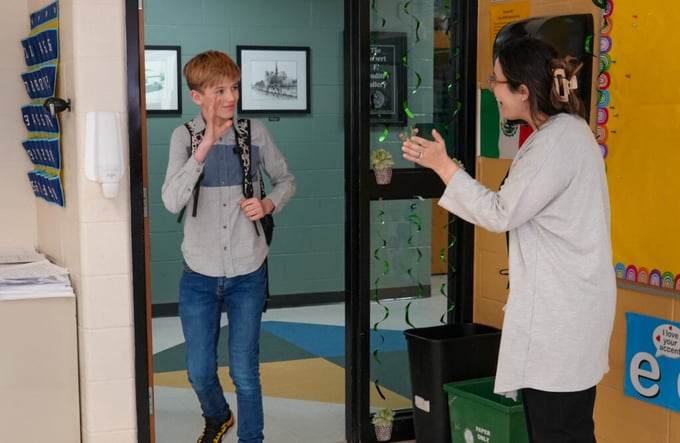
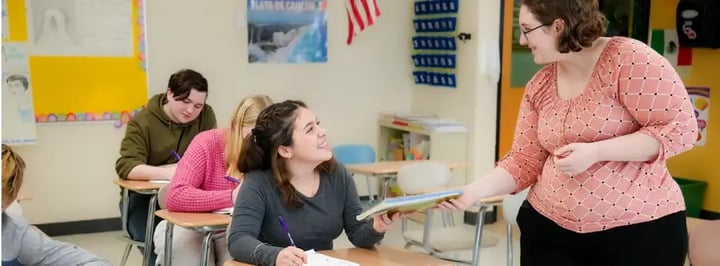
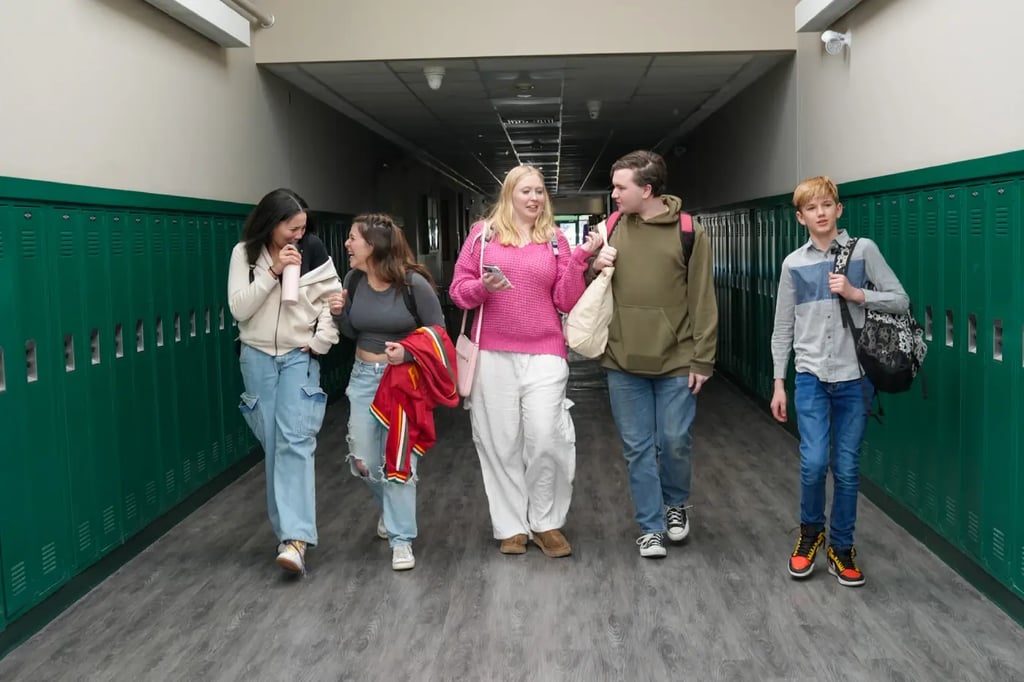
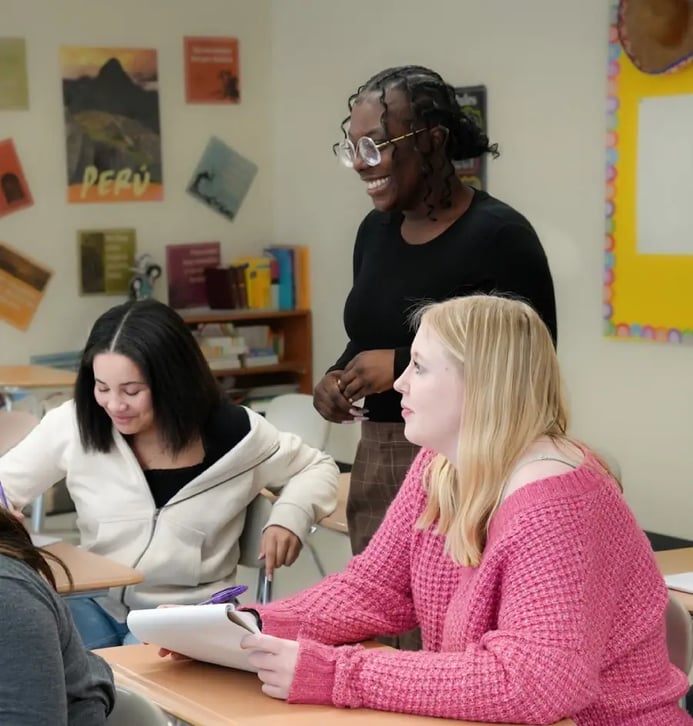
Safety-Care® is trusted by public and private K–12 school districts, special education programs, after-school settings, vocational programs, and early childhood centers. We work closely with special and general education teachers, paraprofessionals, behavior specialists, school psychologists, counselors, administrators, and even transportation staff—anyone who plays a role in student safety and success.
Need practical support for behavior, de-escalation, and staff confidence?
Explore our Education Resource Library →
Decrease in hours spent in seclusion
Decrease in hours spent in restraint
Decrease in staff related injuries
Build safe, structured classrooms through proactive support

Increase staff awareness, reduce injury risk, and address staff safety, burnout, and behavioral uncertainty through hands-on practice and consistent response.

Use safe interventions with constant monitoring and minimal intrusiveness.
Districts moving from CPI (Crisis Prevention Institute) to Safety‑Care report fewer restraints, fewer injuries, and better alignment with PBIS and MTSS (Multi‑Tiered System of Supports) frameworks. Safety‑Care provides practical, prevention‑first strategies staff can use immediately—not theoretical content or restraint sequences.
Safety-Care is designed for district-wide implementation, helping schools establish consistent, prevention-first responses across classrooms, schools, and staff roles.

Recognize and prevent early signs of student distress
Apply reinforcement‑based de‑escalation techniques consistent with PBIS
Maintain safety through least‑restrictive procedures
Align with state reporting and documentation requirements
Build a consistent safety culture across classrooms and transportation

Supports alignment with state restraint/seclusion laws, district reporting policies, and PBIS guidelines.
Common funding sources include:
IDEA Part B/CEIS
school‑safety and climate grants
Titles II‑A and IV‑A
Allowability is local.
Five Steps to behavorial change across your organization
Look at what's happening: behavior patterns, incident trends, staff experience, and key stakeholders.
Decide what you're working toward and how you'll measure it.
Train the right people at the right level for your population. Grounded in behavioral science. Focused on prevention.
Put it into practice. Reinforce the skills and routines that sustain the program.
Measure what changed and connect results back to the goals you set in Step 2.
"A very positive experience with the Safety-Care program. QBS trained all of our Special Education staff, replacing a previous program that didn’t fully meet our needs. Thanks for developing such a great safety training course!"
Jennifer Donlon
Bonny Eagle School District
"Our facility houses over 200 adults with intellectual and other disabilities. In 2008, we transitioned our entire staff to Safety-Care. Embracing it has been a key factor in improving safety and quality of care."
David D. Lanier, Ph.D.
Bluegrass Oakwood
"We just completed our first Safety-Care Behavioral training. I knew it was a high-quality program while becoming a trainer, but now I’m even more confident after leading it myself."
Catherine Giles
Reading Public Schools
"Beyond aligning with our ABA model, Safety-Care is the first truly evidence-based crisis prevention system I’ve seen."
Dr. Terry Page
Advoserv Inc.
You don’t have to solve behavioral safety alone.
Safety-Care® provides evidence-based, prevention-first training that helps teams reduce escalation, minimize reliance on restrictive interventions, and improve safety for everyone involved.
Use this consultation to talk through your setting, your challenges, what effective, least-restrictive prevention can look like for your organization, along with practical next steps tailored to your environment.
Not the final decision-maker? That's okay.
This can be a brief introduction to explore fit. We’ll help guide next steps.
You can schedule a call at a convenient time or request an immediate callback.