Behavioral Briefs is a monthly webinar series from Safety-Care built for the people doing the work in schools and human services organizations: special education & clinical directors, administrators, BCBAs, and the frontline staff who support students & clients every day.
Each session is led by a Safety-Care Master Trainer and delivers practical, research-informed guidance on crisis prevention, de-escalation, and improving safety for individuals and the staff who serve them.
Sessions are short and focused, so you get clear takeaways you can use right away. Topics are chosen around the real questions teams face, from building a culture of safety to preparing for the conversations that follow a serious incident.
Every Behavioral Brief is offered at three times on the same day: 10 AM, 1 PM, and 4 PM ET. Pick the time that works for you and your team.

December 9 | 10am, 1pm, & 4pm ET
When a serious incident happens in your district, the questions that follow from your board, families, and community come quickly. And “everyone was trained” is rarely the answer that settles them.
In this Behavioral Brief, we walk through the 10 questions district boards most often ask after a serious incident, and what a strong, credible answer actually sounds like. You’ll hear how to move the conversation from compliance to evidence: what your team noticed, what changed afterward, and how students and staff are safer today than they were before.
This session is built for district leaders, special education directors, administrators, and BCBAs who want to be prepared before the conversation happens, not scrambling after it.
If you’re responsible for selecting behavioral crisis prevention training for your district or organization, you’ve probably run into the same problem every administrator does: it’s genuinely hard to tell one program from another.
Vendors use different terminology. Course outlines rarely spell out exactly what’s taught. And the marketing materials all say roughly the same thing: our training is proven, our training is trusted, our training keeps students and staff safe. So how do you actually compare them?
This isn’t a new problem, and it isn’t just your experience. Researchers ran into the same issue over fifteen years ago, and what they found is still worth understanding today. Join us as we break down the right questions to ask and why you should ask them.
Presented by Lillie Joyce, BCBA
Mindfulness in Crisis Management
Measuring Restraint Reduction in Schools (2026)
What Is the Reaction Trap, and Is Your Organization Caught in It?
Bridging the Gap: 10 Strategies to Support Caregivers at Home
Bullying Prevention Starts with Prepared Staff: What the Research Tells Us

Why Staff Resilience Is a Safety Issue, Not Just a Wellness Issue
From Crisis Response to Crisis Prevention: Lessons from Education Leaders
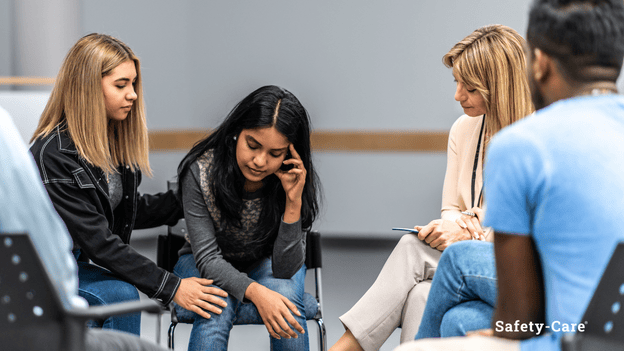
Noticing Is the First Step: What Safety-Care Teaches Us About Suicide Prevention