On-Demand Webinar

Blended Learning

What if your staff could come into Safety-Care training already confident, prepared, and ready to apply skills?

Safety-Care’s Blended Learning model combines online modules with in-person competency checks, giving organizations a more flexible way to prepare staff while preserving the hands-on practice that supports skill fluency.

In this on-demand webinar, we walk through how blended learning works, why organizations are using it, and what learner feedback suggests about preparation, engagement, and confidence before in-person sessions.

Safety-Care is designed as practical, prevention-first, skills-driven training grounded in behavioral science and positive-support frameworks, including ABA and PBIS.

In this webinar, you’ll learn:

  • How blended learning improves training efficiency without sacrificing quality
  • What makes the model effective, based on real learner feedback
  • How organizations are using blended learning to better prepare staff for in-person sessions
  • How online preparation can support more confident participation during hands-on training

Watch on Demand

Prefer a 1:1 conversation instead?

Why We Offer Blended Learning

Blended Learning helps organizations prepare staff before they enter the training room. Online modules introduce key content in advance, while in-person time can stay focused on competency checks, practice, coaching, and real-world application.

That matters because Safety-Care is not just a course to complete. It is competency-based training designed to help teams prevent, de-escalate, and respond to behavioral crises with practical, least-restrictive skills.

In recent learner feedback, the majority of learners said the online modules were “very effective.” One participant shared:

“It was a great mix of video, reading and intermittent questions to keep me engaged.”

Safety-Care Live Topics Request

Submit your ideas for future Safety-Care Live session topics. Your insights from the field help shape conversations that matter and ensure our webinars stay practical, relevant, and impactful.

News & Blog

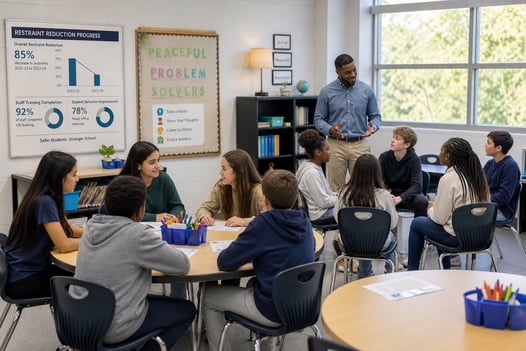
Measuring Restraint Reduction in Schools (2026)

Measuring Restraint Reduction in Schools (2026)

Every year, schools and human services organizations invest in crisis prevention and de-escalation training. Fewer ask the next…
What Is the Reaction Trap, and Is Your Organization Caught in It?
What Is the Reaction Trap, and Is Your Organization Caught in It?

10 a.m. on a Tuesday in October A paraprofessional in a self-contained classroom notices a student starting to escalate. She was…
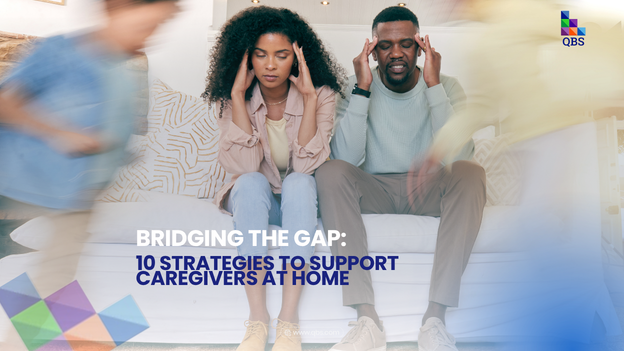
Bridging the Gap: 10 Strategies to Support Caregivers at Home
Bridging the Gap: 10 Strategies to Support Caregivers at Home

When staff at school, a clinic, or a day program and caregivers at home respond to behavior the same way, the person learns faster and…
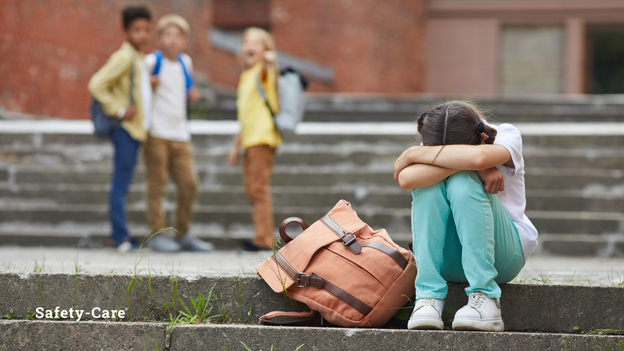
Bullying Prevention Starts with Prepared Staff: What the Research Tells Us

Bullying Prevention Starts with Prepared Staff: What the Research Tells Us

Every October, schools mark National Bullying Prevention Month with awareness campaigns, assemblies, and posters in the hallway. Those…
Why Staff Resilience Is a Safety Issue, Not Just a Wellness Issue
Why Staff Resilience Is a Safety Issue, Not Just a Wellness Issue

World Mental Health Day, observed every October 10, is usually framed around the people schools, clinics, and behavioral health…
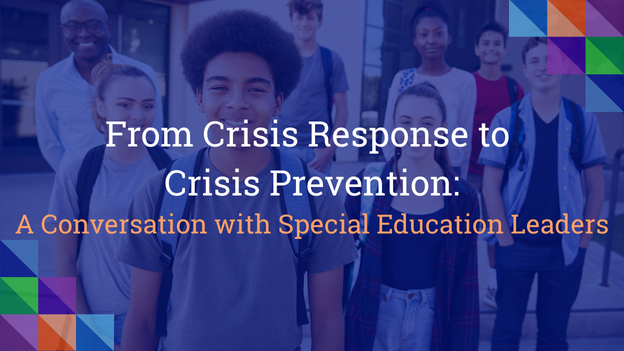
From Crisis Response to Crisis Prevention: Lessons from Education Leaders

From Crisis Response to Crisis Prevention: Lessons from Education Leaders

The districts making the most progress on school safety are not the ones best prepared to respond to a crisis. They are the ones…
Noticing Is the First Step: What Safety-Care Teaches Us About Suicide Prevention

Noticing Is the First Step: What Safety-Care Teaches Us About Suicide Prevention

September is Suicide Prevention Month, a time set aside to talk openly about something many of us would rather avoid:
The September Slide: Why Behavior Incidents Tend to Rise After the Honeymoon Period

The September Slide: Why Behavior Incidents Tend to Rise After the Honeymoon Period

If your first few weeks of school felt calmer than usual, you’re not imagining it. Ask any veteran teacher or