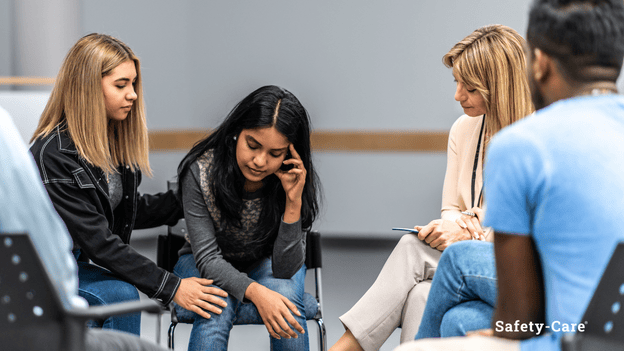

Avoiding Power Struggles: Practical Strategies For Safer, More Effective Interactions

Power struggles can quickly escalate situations, strain relationships, and derail positive outcomes. In this Safety-Care Live session, we will explore how and why power struggles occur across a variety of settings and, more importantly, how to prevent them.

Join us to learn how to recognize early warning signs, shift your approach in the moment, and respond in ways that promote cooperation rather than conflict. Through real-world examples and practical tools, we will focus on maintaining professionalism, reducing escalation, and supporting individuals more effectively.

Whether you work in schools, clinics, residential settings, or the community, this session will provide actionable strategies to help you stay calm, avoid unnecessary conflict, and prioritize safety and positive outcomes.

Watch on Demand

Prefer a 1:1 conversation instead?

About Our Presenters

Olivia Sanders

Olivia Sanders, Master Trainer

Olivia has worked in the field of behavior analysis for 11 years and has been certified as a Board Certified Behavior Analyst (BCBA) for the last 6½ years. Throughout her career, Olivia has provided services across a variety of settings, including clinic, home, community, and school environments. She has experience supporting individuals across a wide range of ages, from early childhood through young adulthood. Olivia's clinical background includes working with diverse learners and collaborating closely with families, caregivers, and interdisciplinary teams to promote meaningful growth and independence. She is passionate about providing compassionate, individualized care that helps each client reach their fullest potential.

Safety-Care Live Topics Request

Submit your ideas for future Safety-Care Live session topics. Your insights from the field help shape conversations that matter and ensure our webinars stay practical, relevant, and impactful.

News & Blog

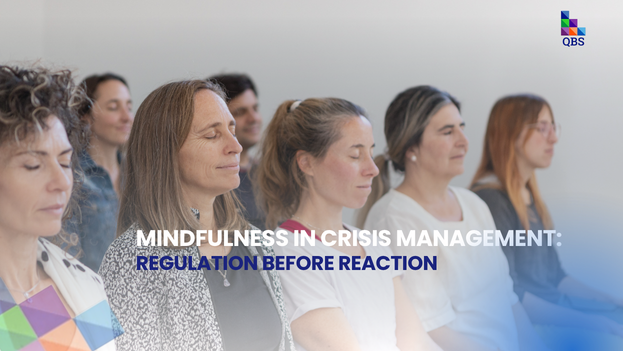
Mindfulness in Crisis Management

Mindfulness in Crisis Management

In a crisis, there is only one behavior you can change 100% of the time: your own. That idea sat at the center of our recent…
Measuring Restraint Reduction in Schools (2026)

Measuring Restraint Reduction in Schools (2026)

Every year, schools and human services organizations invest in crisis prevention and de-escalation training. Fewer ask the next…
What Is the Reaction Trap, and Is Your Organization Caught in It?

What Is the Reaction Trap, and Is Your Organization Caught in It?

10 a.m. on a Tuesday in October A paraprofessional in a self-contained classroom notices a student starting to escalate. She was…
Bridging the Gap: 10 Strategies to Support Caregivers at Home

Bridging the Gap: 10 Strategies to Support Caregivers at Home

When staff at school, a clinic, or a day program and caregivers at home respond to behavior the same way, the person learns faster and…
Bullying Prevention Starts with Prepared Staff: What the Research Tells Us

Bullying Prevention Starts with Prepared Staff: What the Research Tells Us

Every October, schools mark National Bullying Prevention Month with awareness campaigns, assemblies, and posters in the hallway. Those…
Why Staff Resilience Is a Safety Issue, Not Just a Wellness Issue

Why Staff Resilience Is a Safety Issue, Not Just a Wellness Issue

World Mental Health Day, observed every October 10, is usually framed around the people schools, clinics, and behavioral health…
From Crisis Response to Crisis Prevention: Lessons from Education Leaders

From Crisis Response to Crisis Prevention: Lessons from Education Leaders

The districts making the most progress on school safety are not the ones best prepared to respond to a crisis. They are the ones…
Noticing Is the First Step: What Safety-Care Teaches Us About Suicide Prevention

Noticing Is the First Step: What Safety-Care Teaches Us About Suicide Prevention

September is Suicide Prevention Month, a time set aside to talk openly about something many of us would rather avoid: